
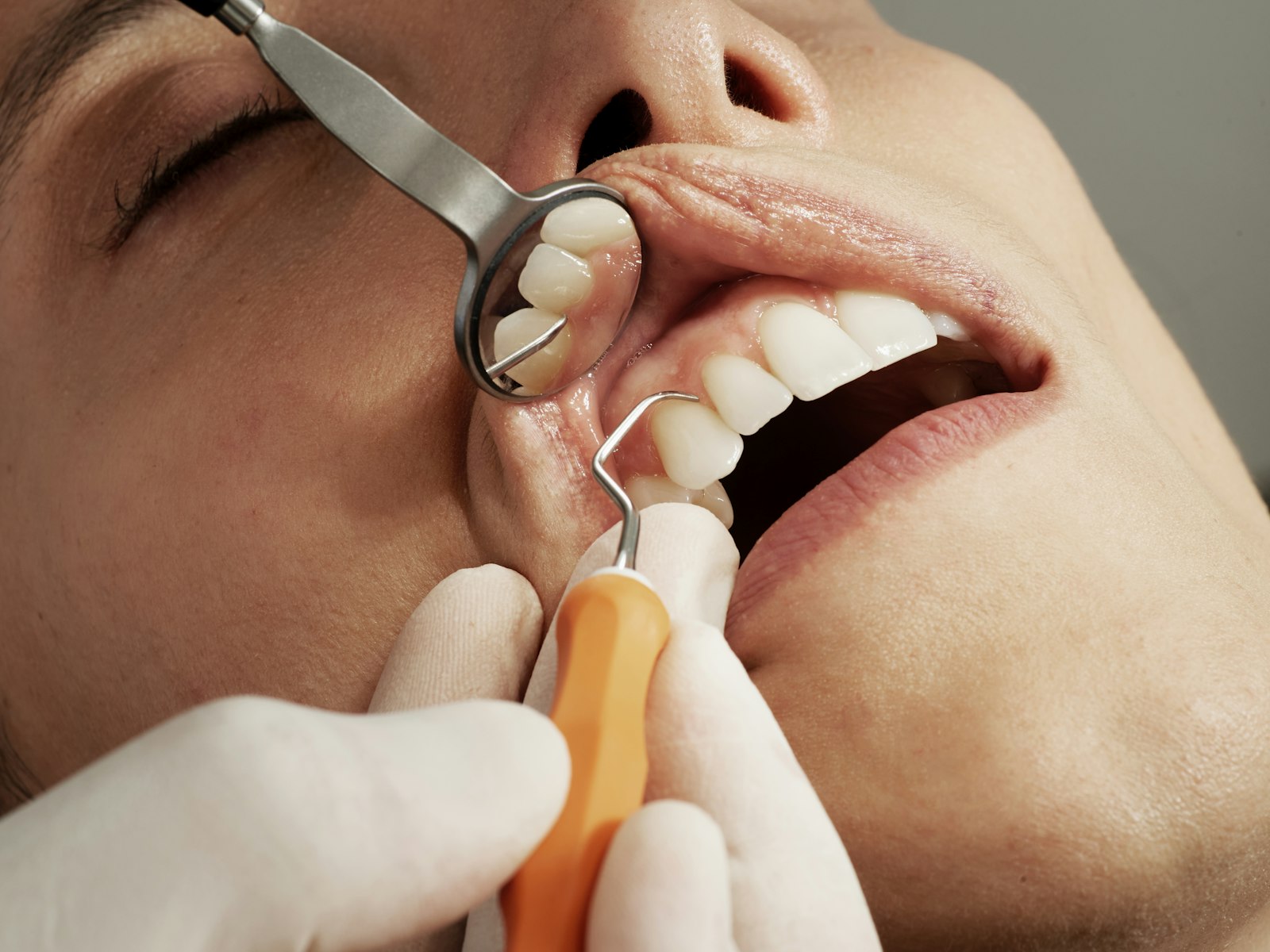
A small chip or gap can make you feel self-conscious every time you smile. The good news is that it is often easy to fix. Dental bonding uses tooth-colored composite resin to repair and reshape teeth, usually in a single visit and without drilling away much healthy tooth structure.
What dental bonding can repair
- Chipped or cracked front teeth
- Small gaps between teeth
- Discolored spots that whitening does not lighten
- Teeth that are slightly shorter or uneven
- Exposed roots from minor gum recession
How the procedure works
First, we choose a resin shade that matches your natural teeth. First, your dentist lightly roughens the tooth surface and applies a conditioning liquid so the resin bonds securely. Next, we apply the resin, sculpt it into shape, and harden it with a special curing light. Finally, we trim and polish it to blend in. Most teeth take 30 to 60 minutes, and you often will not need anesthetic.
Benefits of dental bonding
Bonding is one of the most affordable cosmetic treatments available. It preserves more natural enamel than veneers or crowns, we can finish it in one appointment, and we can repair or touch it up later if needed.
Limitations to keep in mind
Composite resin is not as strong or stain-resistant as porcelain. Bonding typically lasts 3 to 10 years depending on location and habits. Coffee, tea, red wine, and tobacco can discolor it over time, and biting hard objects can chip it. For large repairs or teeth under heavy biting pressure, a crown or porcelain veneer may be a better long-term solution.
Making your bonding last
- Avoid chewing ice, pens, and hard candy.
- Limit staining drinks, or rinse with water afterward.
- Brush and floss daily and keep regular cleanings.
- Wear a night guard if you grind your teeth.
The American Dental Association explains bonding and other cosmetic options at MouthHealthy.org.
Dental bonding FAQs
Does dental bonding hurt?
No, the procedure is usually painless. In most cases, you will not need numbing because we remove little or no tooth structure.
Can you whiten bonded teeth?
Bonding material does not whiten like natural enamel. If you plan to whiten, do it before your bonding visit so the resin can match your new shade.
Dental bonding near Mishawaka and South Bend
If a chip or gap has been bothering you, learn more on our tooth bonding page or book a visit at Michiana Family Dental, 3575 Portage Ave, Suite A, South Bend, IN. We are a short drive from Mishawaka, Osceola, and communities throughout St. Joseph and Elkhart counties.