
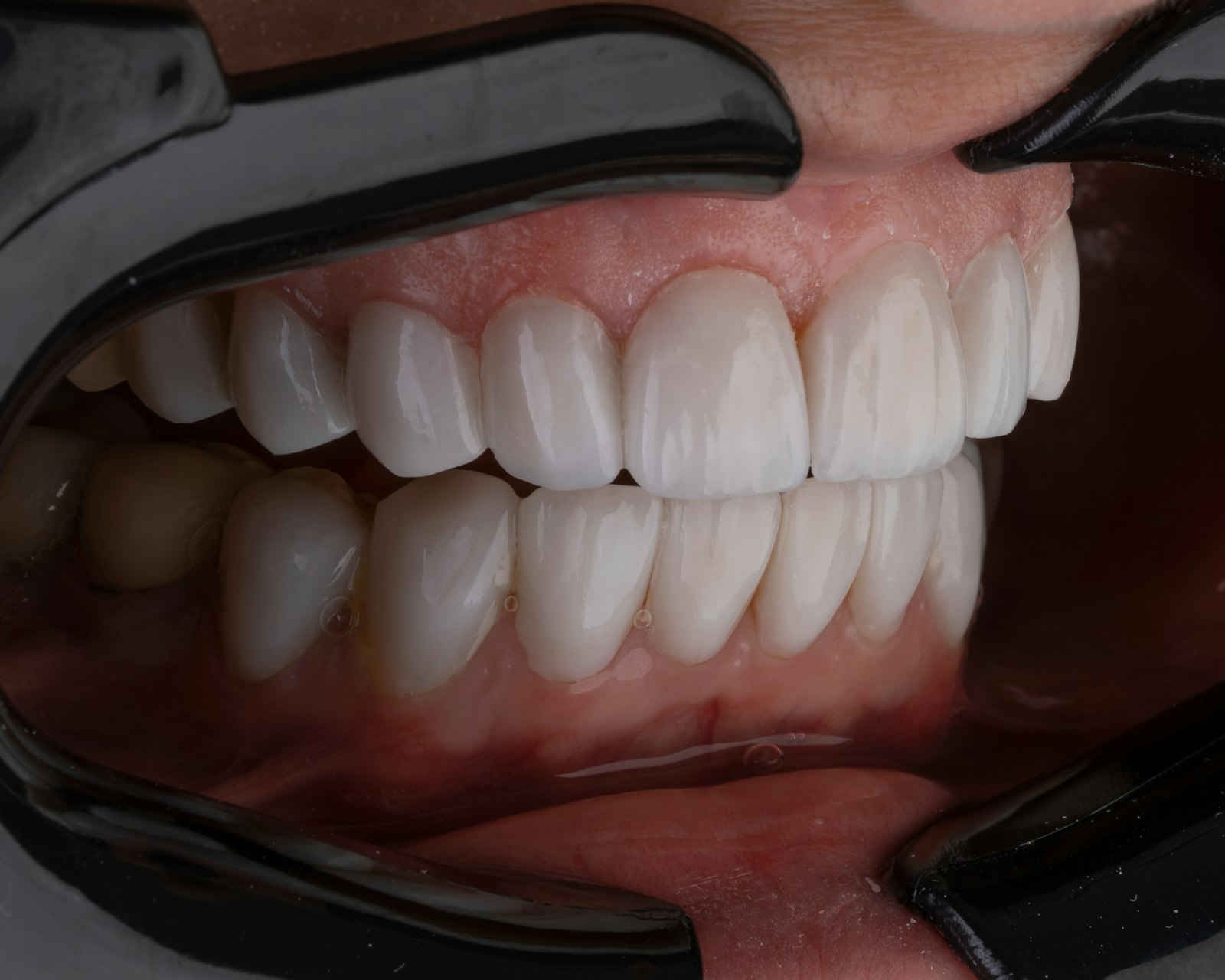
Wisdom teeth are the third molars at the very back of your mouth. They usually appear between ages 17 and 25, and for many people there simply is not enough room for them. Wisdom teeth removal is one of the most common dental procedures, and knowing what to expect makes it much less stressful.
Why wisdom teeth cause problems
When a wisdom tooth does not have space to come in fully, it can become impacted, meaning it stays trapped under the gums or bone. A partially erupted tooth leaves a flap of gum that traps food and bacteria. Over time this can lead to infection, decay in the neighboring molar, cysts, or crowding.
Signs you may need wisdom teeth removal
- Pain or pressure at the back of your jaw
- Swollen, tender, or bleeding gums behind your last molars
- A bad taste or bad breath that does not go away
- Difficulty opening your mouth fully
- Food getting stuck behind your back teeth
Some wisdom teeth cause trouble without any symptoms at all. That is why your dentist checks their position on X-rays during routine visits, usually in the late teens.
Is removal always necessary?
No. If your wisdom teeth are fully erupted, healthy, in a good position, and easy to clean, they can often stay. Removal is recommended when teeth are impacted, causing pain or infection, or putting nearby teeth at risk. Many dentists suggest evaluating them early, because the roots are not fully formed in younger patients and healing tends to be quicker.
What happens during the procedure
Wisdom teeth removal is done with local anesthetic to numb the area, and sedation options may be available for anxious patients or more complex cases. A tooth that has fully come in can often be removed much like any other tooth. An impacted tooth may require a small opening in the gum and removing the tooth in sections. Most appointments take under an hour.
Recovery tips
- Bite gently on gauze for the first hour to help a blood clot form.
- Use ice packs on your cheek for the first day to reduce swelling.
- Stick to soft foods like yogurt, soup, mashed potatoes, and smoothies.
- Do not use straws, smoke, or spit forcefully for several days. Suction can dislodge the clot and cause dry socket.
- After 24 hours, rinse gently with warm salt water after meals.
Most people feel back to normal within three to five days. Call your dentist if you have pain that gets worse after day three, a fever, or swelling that keeps increasing. You can read more about third molars from the American Dental Association at MouthHealthy.org.
Wisdom teeth removal FAQs
How long does wisdom teeth removal take?
Most wisdom teeth removal appointments take under an hour. Impacted teeth can take a little longer than teeth that have fully come in.
When can I eat normally after wisdom teeth removal?
Stick to soft foods for the first few days. Most people return to their normal diet within a week, slowly adding firmer foods as the area heals.
Wisdom teeth care near South Bend
If your wisdom teeth are bothering you, or you are not sure whether they need to come out, schedule an exam at Michiana Family Dental, 3575 Portage Ave, Suite A, South Bend, IN. We see patients from across St. Joseph County, including Mishawaka, Granger, and North Liberty. Call (574) 347-3333 or request an appointment online.