
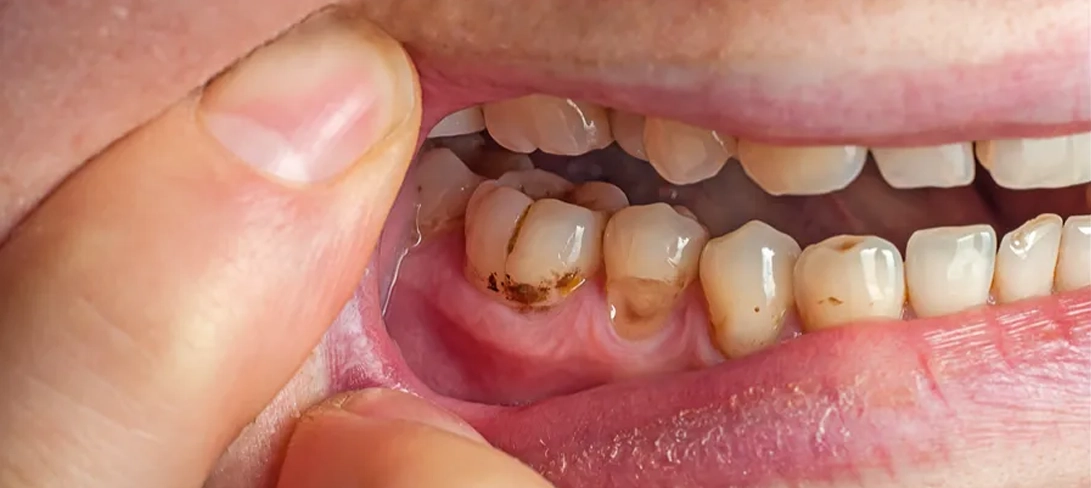
Cavities: Everything You Need to Know About Tooth Decay and Treatment Options
Cavities are one of the most common dental problems, but early diagnosis and treatment can help prevent further damage. Also known as tooth decay, cavities develop when bacteria in the mouth produce acids that gradually weaken and damage the protective outer layer of a tooth.
Understanding the causes, warning signs, and treatment options can help you take steps to protect your smile.
What Causes Cavities?
Cavities develop when plaque—a sticky layer of bacteria—builds up on the teeth. When bacteria interact with sugars and carbohydrates from food and drinks, they produce acids that can weaken tooth enamel over time.
Common factors that may increase the risk of cavities include:
Frequent consumption of sugary foods and drinks
Poor brushing and flossing habits
Plaque buildup
Dry mouth
Skipping regular dental checkups
What Are the Signs of a Cavity?
In the early stages, a cavity may not cause noticeable symptoms. As tooth decay progresses, you may experience:
Tooth sensitivity
Pain when biting or chewing
Sensitivity to hot, cold, or sweet foods
Visible dark spots or holes in a tooth
Toothache
If you notice these symptoms, scheduling a dental examination can help identify the cause and determine the appropriate treatment.
Cavity Treatment Options
Treatment depends on how far the decay has progressed.
Dental Fillings
For many cavities, the decayed portion of the tooth can be removed and replaced with a dental filling. This helps restore the tooth’s shape and function.
Dental Crowns
If decay has caused significant damage or weakened a large portion of the tooth, a dental crown may be recommended to protect and restore it.
Root Canal Treatment
If decay reaches the inner pulp of the tooth, root canal treatment may be needed to remove damaged or infected tissue and preserve the natural tooth. A crown may then be recommended to protect the tooth.
Tooth Extraction
When a tooth is severely damaged and cannot be restored, extraction may be considered. Your dentist can also discuss options for replacing a missing tooth when appropriate.
How Can You Help Prevent Cavities?
Good daily oral hygiene and regular dental visits are important for reducing the risk of tooth decay.
You can help protect your teeth by:
Brushing twice a day with fluoride toothpaste
Flossing daily
Limiting frequent sugary snacks and drinks
Drinking plenty of water
Scheduling regular dental checkups and cleanings
Cavity Treatment in South Bend, IN
If you have tooth sensitivity, a toothache, or concerns about tooth decay, the team at Michiana Family Dental can evaluate your oral health and recommend the right treatment for your needs.
Visit Michiana Family Dental at 3575 Portage Ave, Suite A, South Bend, IN 46628, or call (574) 349-2073 to schedule an appointment.
Early treatment can help protect your teeth and keep your smile healthy.