
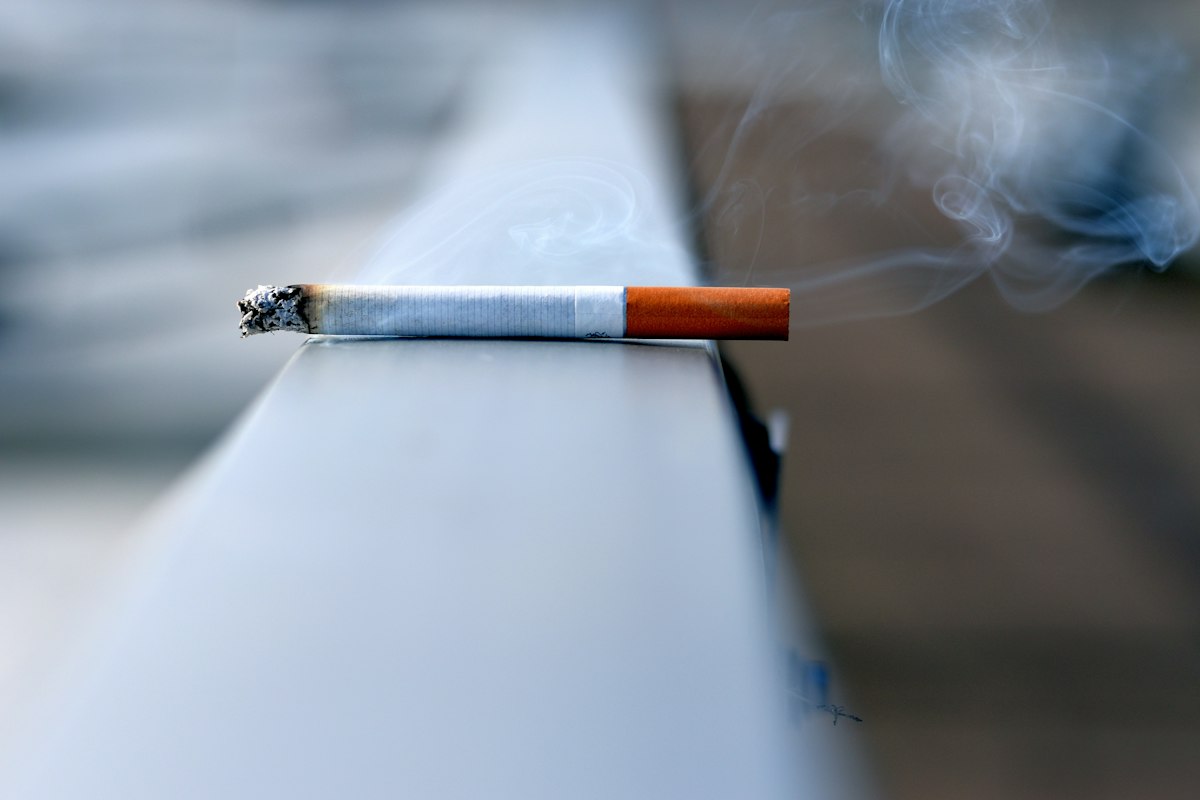
On Thursday, November 19, the American Cancer Society’s Great American Smokeout turns 50. The idea is simple: pick one day to quit, and let it be the first day of the rest of your life without tobacco. Most people think about their lungs and heart when they quit, but smoking and oral health are closely linked too. Your mouth is the first place tobacco does damage, and it’s one of the first places you’ll notice the benefits of quitting.
What Smoking Does to Your Teeth and Gums
- Gum disease. According to the CDC, people who smoke are about twice as likely to develop gum disease as nonsmokers. Smoking weakens your body’s ability to fight infection, so gums pull away from teeth and bone can be lost over time. Learn more in our guide to understanding gum disease.
- Stains and bad breath. Tar and nicotine leave yellow and brown stains that brushing can’t remove, and they cause the kind of bad breath mints only cover up.
- Slower healing. Smoking reduces blood flow, which raises the risk of dry socket after a tooth extraction and can affect how well dental implants heal.
- Oral cancer. Tobacco use is one of the biggest risk factors for cancers of the mouth, tongue and throat.
Are Vapes and Nicotine Pouches Safer for Your Mouth?
Many people in South Bend have switched from cigarettes to vapes or nicotine pouches. They skip the smoke, but nicotine still narrows blood vessels in your gums. That can hide the bleeding that usually warns you of gum disease, so problems may go unnoticed longer. Vaping can also leave your mouth dry, and dry mouth raises your risk of cavities. Pouches held in the same spot every day can irritate the gum tissue there. If you use any nicotine product, let us know at your visit so we can keep a closer eye on those areas.
What Happens in Your Mouth When You Quit
Your body starts healing quickly. As blood flow returns to your gums, you may notice they bleed a little more at first when you brush. That’s usually a sign of healthy tissue coming back, not a reason to worry, but mention it to us. Over the following months and years, your risk of gum disease drops, your sense of taste and smell improve, and your breath gets fresher.
How Your Dentist Can Support You
Oral cancer screening
Every checkup at Michiana Family Dental includes a quick look for early signs of oral cancer. Finding changes early makes a big difference.
Deep cleaning for gum disease
If smoking has already affected your gums, a deep cleaning can remove the tartar and bacteria under the gumline and help your gums heal.
A brighter smile as a reward
Once you’ve quit, professional teeth whitening can lift years of tobacco stains. And if you’ve lost teeth, quitting puts you in a better position for dental implants or All-on-4 implants.
Free Help to Quit in Indiana
You don’t have to quit alone. Call 1-800-QUIT-NOW to reach the free Indiana Tobacco Quitline, or visit the American Cancer Society for tips and support around the Great American Smokeout.
Smoking and Oral Health FAQs
Will my teeth go back to white after I quit?
Surface stains can often be removed with a cleaning and whitening. Deeper stains may need other cosmetic options, like bonding or veneers.
Can I get dental implants if I smoke?
Sometimes, but smoking raises the risk of implant problems. We’ll talk through your options and timing at your consultation.
Ready to start fresh? Call Michiana Family Dental at (574) 347-3333 or book a checkup at our office at 3575 Portage Ave, Suite A, South Bend.