
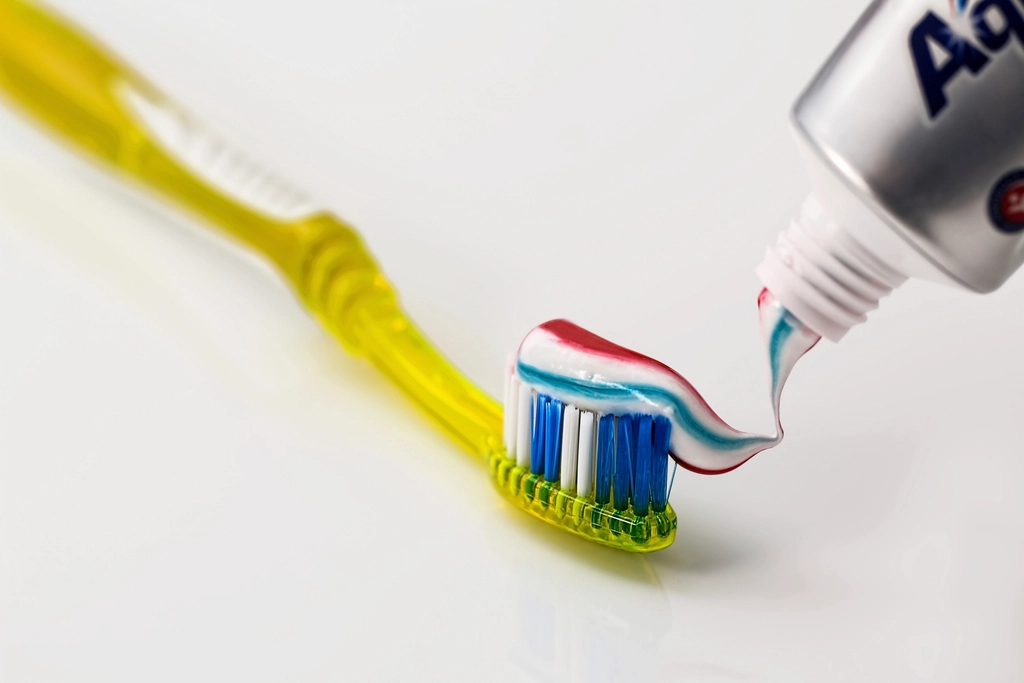
Walk down any oral care aisle and you’ll find dozens of toothbrushes and toothpastes promising everything from whitening to sensitivity relief. Here’s how to cut through the marketing and choose what’s actually right for your smile. The right toothbrush and toothpaste make your daily routine far more effective.
Choosing a toothbrush
Bristle type: always go soft
Medium and hard bristles might feel like they clean better, but they can wear down enamel and irritate gums over time. A soft-bristled brush, used properly, cleans just as effectively without the damage.
Manual vs. electric
Both can be effective. Electric toothbrushes tend to make it easier to brush for the full two minutes and can be especially helpful for people with limited hand mobility or braces. The most important factor is consistent, thorough use — whichever type you’ll actually stick with.
Head size
A smaller brush head can reach the back teeth more comfortably, especially for children or anyone with a smaller mouth.
Choosing a toothpaste
Fluoride is non-negotiable
Regardless of other features, look for the ADA Seal of Acceptance and a fluoride formula — it’s the single most effective ingredient for preventing cavities.
Sensitivity
If cold drinks or sweets make you wince, a toothpaste formulated for sensitivity (often containing potassium nitrate) can help block pain signals over a few weeks of consistent use.
Whitening
Whitening toothpastes can help remove surface stains but won’t dramatically change your tooth color. For more noticeable results, ask us about professional whitening options.
Gum health
If you’re prone to gum irritation, look for formulas designed to reduce plaque along the gumline.
Getting the most from your toothbrush and toothpaste
Even the best toothbrush and toothpaste only work if you use them well, twice a day for two minutes. See our five daily habits for healthier teeth for more tips. You can also look for the ADA Seal of Acceptance on products, explained at MouthHealthy.org.
When in doubt, ask us
Everyone’s mouth is different, and the “best” toothbrush or toothpaste really depends on your specific needs. Bring your questions to your next visit — we’re happy to recommend products tailored to you.